The debate between dynamic and static stretching has been a hot topic in fitness circles for years. While both methods have their merits, understanding when to use each can significantly impact performance, recovery, and injury prevention. The timing of these stretches isn't just a matter of preference—it's a science-backed decision that can make or break your workout routine.
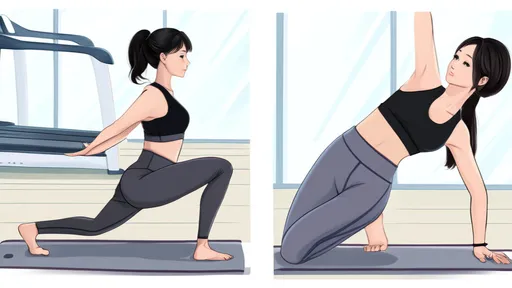
Dynamic stretching involves controlled movements that take your muscles through their full range of motion. These stretches are typically performed before physical activity, as they help increase blood flow, elevate muscle temperature, and prepare the body for the demands of exercise. Think of leg swings, arm circles, or walking lunges—movements that mimic the activity you're about to perform but at a lower intensity. Research shows that dynamic stretching enhances power output, agility, and overall performance when done during the warm-up phase.
On the other hand, static stretching requires holding a position for an extended period, usually 15-60 seconds. This type of stretching is best reserved for the cool-down phase of your workout. Static stretches help relax muscles, improve flexibility, and reduce post-exercise soreness. When performed after physical activity, they can aid in recovery by gradually bringing the heart rate down and allowing the body to transition to a resting state. However, studies indicate that static stretching before exercise may temporarily weaken muscles and decrease explosive strength.
The physiological differences between these stretching methods explain why timing matters. Dynamic stretching activates the nervous system and primes muscles for contraction, while static stretching focuses on lengthening muscle fibers and promoting relaxation. Using them at the wrong time could counteract their benefits. For instance, performing static stretches before sprinting might limit your power output, just as doing dynamic stretches after an intense workout could keep your muscles too activated when they need to recover.
Athletes across various sports have adopted specific protocols based on this understanding. Swimmers might incorporate arm swings and torso rotations before hitting the pool, then focus on shoulder and back stretches afterward. Basketball players often use lateral lunges and high knees to warm up, followed by hamstring and calf stretches post-game. Even in weightlifting, dynamic movements like bodyweight squats prepare the joints for loading, while static stretches help release tension in overworked muscles later.
Recent studies have added nuance to this discussion. Some research suggests that brief static holds (under 30 seconds) during warm-ups may not negatively impact performance, especially for activities requiring extreme flexibility like gymnastics or dance. Meanwhile, sports medicine professionals are exploring hybrid approaches where dynamic stretches dominate the warm-up but include short static elements for tight muscle groups. This evolving understanding shows that stretching protocols should consider individual needs and sport-specific demands.
The temperature of your muscles plays a crucial role in stretching effectiveness. Cold muscles are more prone to injury and less responsive to stretching. This explains why dynamic stretching works well after light cardio—when muscles are warm but not fatigued. Conversely, static stretching benefits from the increased pliability of thoroughly warmed muscles post-exercise. This thermal aspect underscores why jumping straight into static stretches or skipping warm-ups altogether can be counterproductive.
Recovery specialists emphasize that static stretching isn't the only option post-workout. Many recommend combining it with foam rolling or proprioceptive neuromuscular facilitation (PNF) stretching for better results. The key is listening to your body—some muscles may need more attention than others. Over time, athletes develop a sense of which stretches their bodies respond to best at different times, creating personalized routines that optimize performance and recovery.
For those new to exercise programming, a simple rule applies: move dynamically before activity, stretch statically afterward. As fitness levels advance, more sophisticated approaches can be implemented. Periodized training plans might adjust stretching protocols based on workout intensity, with more comprehensive dynamic routines before high-intensity sessions and extended static stretching during recovery days. The common thread remains aligning stretching type with physiological needs at each training phase.
Injury rehabilitation adds another layer to this discussion. Physical therapists often prescribe specific static stretches to address muscle imbalances but may incorporate dynamic movements as patients progress. The timing here becomes even more precise, with stretches sometimes performed multiple times daily at carefully scheduled intervals. This medical application demonstrates how profoundly timing affects stretching outcomes beyond general fitness contexts.
Emerging technologies are helping quantify these effects. Wearable devices can now measure changes in flexibility, muscle stiffness, and range of motion throughout training cycles. This data validates what many coaches have observed empirically—that properly timed stretching contributes to long-term athletic development. It also helps debunk myths, like the idea that more stretching always equals better results, by showing how quality and timing trump sheer quantity.
The cultural aspects of stretching shouldn't be overlooked either. Many traditional movement practices like yoga or martial arts have intuitively combined dynamic and static elements in sequences that respect the body's readiness. Modern exercise science is now confirming the wisdom behind these ancient approaches, particularly their emphasis on progressive preparation and systematic cool-downs.
As research continues, one principle remains clear: stretching isn't a one-size-fits-all practice. The dynamic versus static debate ultimately comes down to purpose and timing. By understanding how each method affects the body at different phases of activity, individuals can make informed choices that enhance rather than hinder their fitness goals. Whether you're a weekend warrior or competitive athlete, mastering this timing could be the missing piece in your training puzzle.

By /Jul 14, 2025

By /Jul 14, 2025

By /Jul 14, 2025

By /Jul 14, 2025

By /Jul 14, 2025

By /Jul 14, 2025

By /Jul 14, 2025

By /Jul 14, 2025

By /Jul 14, 2025

By /Jul 14, 2025

By /Jul 14, 2025
By /Jul 14, 2025

By /Jul 14, 2025

By /Jul 14, 2025

By /Jul 14, 2025

By /Jul 14, 2025

By /Jul 14, 2025

By /Jul 14, 2025
By /Jul 14, 2025

By /Jul 14, 2025