The relationship between physical activity and cellular aging has fascinated scientists for decades, with telomere length emerging as a key biomarker in this exploration. Telomeres, the protective caps at the ends of chromosomes, shorten naturally with each cell division, but their erosion rate can be influenced by lifestyle factors. Recent research suggests that different types of exercise may have distinct effects on telomere maintenance, offering intriguing insights into how movement preserves youth at the molecular level.
Endurance training, characterized by sustained aerobic activity like running or cycling, appears to stimulate telomerase activity—the enzyme responsible for telomere elongation. Studies of marathon runners and regular endurance athletes consistently show longer telomeres compared to sedentary individuals. The mechanism likely involves reduced oxidative stress and improved mitochondrial function, creating a cellular environment conducive to telomere preservation. Interestingly, the benefits seem dose-dependent; moderate endurance exercisers often show better telomere outcomes than extreme athletes, suggesting excessive training might negate the protective effects.
High-intensity interval training (HIIT) has demonstrated particularly potent effects on telomere biology. The alternating bursts of intense effort and recovery periods characteristic of HIIT may trigger cellular repair processes more effectively than steady-state cardio. Research indicates HIIT participants experience both telomere lengthening and increased telomerase activity, possibly due to the acute stress response that activates antioxidant defenses and DNA repair mechanisms. This makes HIIT a compelling option for those seeking efficient anti-aging exercise strategies.
The impact of resistance training on telomeres presents a more complex picture. While some studies show modest benefits, others find negligible effects compared to aerobic exercise. This discrepancy might relate to differences in study protocols or the cellular specificity of strength training's effects. Emerging evidence suggests resistance exercise may preferentially protect telomeres in specific tissues like skeletal muscle while having less systemic impact. The combination of resistance and aerobic training, however, appears synergistic, offering comprehensive anti-aging benefits that neither can achieve alone.
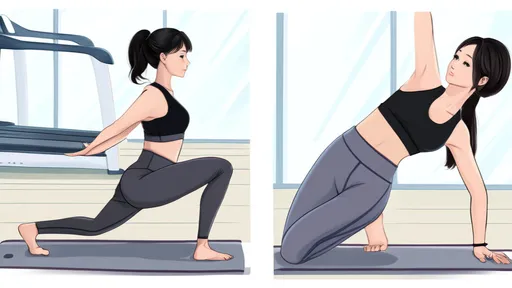
Mind-body exercises such as yoga and tai chi show promise in telomere maintenance through different pathways. These practices likely exert their effects by reducing psychological stress and inflammation rather than through direct metabolic stimulation. Long-term practitioners often display telomere lengths comparable to aerobic exercisers, highlighting how stress reduction can be as biologically impactful as physical exertion. The slow, controlled movements combined with breath work and meditation may create an optimal environment for cellular repair and longevity.
Team sports and recreational activities offer unique advantages that laboratory-based exercise studies often overlook. The social interaction and enjoyment inherent in sports like soccer or basketball may amplify the telomere-protective effects through psychosocial pathways. Participants in such activities frequently show better telomere maintenance than those performing similar exercise in isolation, suggesting that the mental health benefits of communal movement contribute significantly to cellular aging.
The timing and consistency of exercise throughout life also play crucial roles in telomere dynamics. Research indicates that maintaining regular physical activity from young adulthood provides the most robust protection against telomere shortening. However, even late starters can benefit, with studies showing telomere stabilization in previously sedentary individuals who adopt exercise in middle age. This underscores the remarkable plasticity of our biological aging processes in response to lifestyle changes.
Emerging research is beginning to uncover how exercise type interacts with individual genetics to influence telomere length. Certain genetic variants may predispose individuals to derive more telomere benefits from specific exercise modalities. This growing field of research could eventually lead to personalized exercise prescriptions optimized for cellular longevity, moving beyond one-size-fits-all recommendations.
While the science continues to evolve, the current evidence overwhelmingly supports physical activity as a powerful modulator of cellular aging. The diversity of exercise options means individuals can choose activities aligned with their preferences while still reaping telomere benefits. From the cardiovascular challenge of endurance sports to the mindful movements of yoga, each modality offers unique pathways to preserving our biological youth at the chromosomal level.

By /Jul 14, 2025
By /Jul 14, 2025

By /Jul 14, 2025
By /Jul 14, 2025
By /Jul 14, 2025
By /Jul 14, 2025

By /Jul 14, 2025

By /Jul 14, 2025
By /Jul 14, 2025
By /Jul 14, 2025

By /Jul 14, 2025
By /Jul 14, 2025
By /Jul 14, 2025

By /Jul 14, 2025
By /Jul 14, 2025

By /Jul 14, 2025

By /Jul 14, 2025

By /Jul 14, 2025
By /Jul 14, 2025

By /Jul 14, 2025
