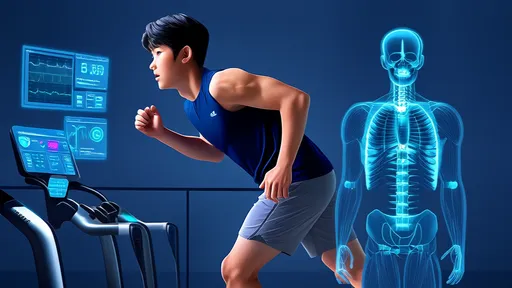
Neuromuscular Training for the Prevention of Sports Injuries

Jul 14, 2025 By

The human body is a marvel of biological engineering, capable of astonishing feats of strength, agility, and endurance. Yet, even the most finely tuned athletic machines are susceptible to the wear and tear of physical activity. In recent years, the field of sports science has witnessed a paradigm shift toward neuromuscular training as a cornerstone of injury prevention. This approach doesn't merely focus on building muscle or improving cardiovascular capacity; it rewires the very way our nervous system communicates with our muscles during dynamic movement.

At its core, neuromuscular training operates on a simple but profound principle: the brain and muscles must speak the same language under pressure. Traditional strength training often isolates muscle groups, creating imbalances that may go unnoticed until a sudden pivot or landing exposes their weakness. In contrast, neuromuscular exercises emphasize proprioception - the body's ability to sense its position in space - while simultaneously demanding explosive power or precise coordination. Basketball players landing from rebounds, soccer players cutting at acute angles, or gymnasts sticking dismounts all rely on this delicate neural conversation happening in milliseconds.

The science behind this training methodology reveals why it's so effective. Fast-twitch muscle fibers, responsible for rapid responses, require more neural activation than their slow-twitch counterparts. When we train these fibers through complex, multi-planar movements, we're not just building tissue; we're laying down neural pathways that become more efficient with repetition. Research demonstrates that athletes who incorporate neuromuscular drills exhibit significantly faster muscle reaction times when encountering unexpected perturbations - the kind that often lead to ACL tears or ankle sprains during competition.

Balance training forms the foundation of most neuromuscular programs, though it's far from the static poses beginners might imagine. Advanced protocols incorporate unstable surfaces, visual deprivation, and cognitive challenges to simulate game-time decision making. A hockey player might perform single-leg squats on a wobble board while catching and throwing a weighted ball, forcing her nervous system to process multiple streams of information simultaneously. This cross-modal integration pays dividends when she later navigates chaotic board battles during actual play.

Plyometrics, often misunderstood as simple jump training, take on new dimensions in neuromuscular contexts. The emphasis shifts from how high an athlete can leap to how efficiently they can absorb impact upon landing. Coaches now use force plate technology to analyze the millisecond timing of muscle activation sequences, identifying whether an athlete's hamstrings fire soon enough to protect their knees during deceleration. These microscopic details separate prophylactic training from generic conditioning programs.

Perhaps most intriguing is neuromuscular training's role in preventing non-contact injuries - those devastating moments when an athlete goes down without collision. Studies tracking muscle activation patterns show that fatigued athletes often develop neural inhibition, where protective reflexes dull just when they're needed most. Smart programming intersperses power drills with cognitive tasks to mimic late-game exhaustion, teaching the body to maintain proper mechanics even as the mind tires. Soccer players who trained this way demonstrated 50% fewer hamstring strains during the final quarters of matches.

The application of these principles varies dramatically across sports and positions. A baseball pitcher's neuromuscular regimen prioritizes rotational stability and scapular control to prevent UCL tears, while a downhill skier focuses on eccentric quad strength for bump absorption. What unites these approaches is their departure from traditional weight-room mentality; rather than chasing maximum lifts, athletes pursue movement quality under progressively challenging conditions. The numbers on the barbell matter less than how the body organizes itself under load.

Rehabilitation specialists have adopted these protocols with remarkable success. Athletes recovering from ACL reconstruction now engage in perturbation training long before returning to sport, with physical therapists gently disrupting their balance during squats to rebuild proprioceptive acuity. This represents a sea change from older models that cleared players based purely on strength metrics. Modern return-to-play criteria assess whether the injured limb contributes appropriately to whole-body movement patterns, not just whether it can bear weight.

Emerging technologies are pushing neuromuscular training into new frontiers. Wearable sensors provide real-time feedback on muscle activation symmetry during drills, while virtual reality systems create reactive environments that challenge athletes' decision-making speed. Some elite teams now employ "neuropriming" devices that use subtle electrical stimulation to enhance neural drive during practice. Though controversial, these innovations underscore the central tenet: injury prevention lives not just in muscles, but in the quality of signals that animate them.

The implications extend beyond professional athletics. Weekend warriors and youth athletes stand to benefit enormously from incorporating basic neuromuscular principles into their routines. Simple interventions like balance board exercises or lateral hopping drills can fortify the body against common recreational injuries. For aging populations, these practices combat the neural degradation that leads to falls and fractures. In essence, we're discovering that many so-called "freak accidents" in motion stem from preventable neural inefficiencies.

As research continues, one truth becomes increasingly clear: the divide between neurological and muscular fitness is artificial. Every muscular action originates as a neural impulse, every coordinated movement reflects countless synaptic connections firing in harmony. By training this integrated system rather than its component parts, athletes aren't just avoiding injuries - they're unlocking movement potentials they never knew they possessed. The future of injury prevention lies not in bigger muscles, but in smarter communication between brain and body.

Recommend Posts
Health

Non-Pharmaceutical Paths to Improve Insulin Sensitivity

By /Jul 14, 2025

In the modern era of sedentary lifestyles and processed food consumption, insulin resistance has emerged as a silent epidemic affecting millions worldwide. While pharmaceutical interventions exist, a growing body of research highlights powerful non-pharmacological approaches to enhance insulin sensitivity. These natural strategies not only improve metabolic health but often address root causes rather than just symptoms.
Health

Detection of Molecular Markers for Chronic Inflammation

By /Jul 14, 2025

Chronic inflammation has emerged as a critical factor in the pathogenesis of numerous diseases, ranging from cardiovascular disorders to neurodegenerative conditions. The ability to detect and monitor inflammation through molecular markers has revolutionized both clinical diagnostics and therapeutic interventions. Unlike acute inflammation, which is a transient and protective response, chronic inflammation persists over time, often silently damaging tissues and organs. Identifying reliable biomarkers for chronic inflammation is essential for early diagnosis, prognosis, and personalized treatment strategies.
Health

Seasonal Food Nutritional Peak Cycle Table

By /Jul 14, 2025

The concept of eating with the seasons has been part of human tradition for millennia, yet in our modern era of globalized food systems, we’ve largely lost touch with nature’s nutritional calendar. A deeper understanding of seasonal ingredients and their peak nutritional cycles reveals not just better flavor, but also a roadmap to optimal health. The Seasonal Ingredient Nutrition Peak Cycle Table isn’t just a trend—it’s a science-backed return to intuitive eating.
Health

Long-term Impact Tracking of Artificial Sweeteners on Gut Microbiota

By /Jul 14, 2025

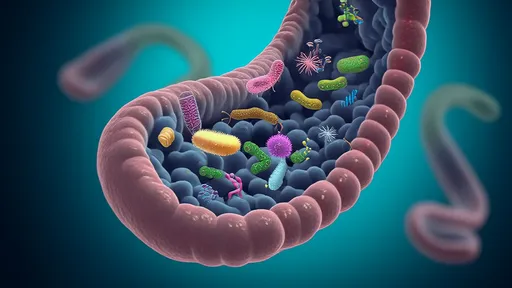
The growing popularity of artificial sweeteners as sugar substitutes has sparked intense scientific debate about their long-term effects on human health. While these zero-calorie additives help millions reduce sugar intake, emerging research reveals a complex relationship between non-nutritive sweeteners and our gut microbiome that extends far beyond their intended purpose. This deep dive explores what cutting-edge studies tell us about how sugar alternatives may be quietly reshaping our microbial ecosystems with consequences we're only beginning to understand.
Health

Strategies for Addressing Osteoporosis Risk Genes

By /Jul 14, 2025

In the evolving landscape of personalized medicine, understanding one's genetic predisposition to osteoporosis has become a cornerstone of proactive health management. This silent disease, characterized by weakened bones and increased fracture risk, often goes undetected until a devastating break occurs. Emerging research reveals that our genes play a significant role in determining bone mineral density and overall skeletal resilience. While we cannot change our DNA, sophisticated genomic insights now empower individuals to craft targeted defense strategies against this brittle bone threat.
Health

The Impact of Different Types of Exercise on Telomere Length

By /Jul 14, 2025

The relationship between physical activity and cellular aging has fascinated scientists for decades, with telomere length emerging as a key biomarker in this exploration. Telomeres, the protective caps at the ends of chromosomes, shorten naturally with each cell division, but their erosion rate can be influenced by lifestyle factors. Recent research suggests that different types of exercise may have distinct effects on telomere maintenance, offering intriguing insights into how movement preserves youth at the molecular level.
Health

Special Applications of Centrifugal Training

By /Jul 14, 2025

The world of fitness and athletic training is constantly evolving, with new methodologies emerging to push the boundaries of human performance. Among these, eccentric training has carved out a unique niche, offering benefits that extend far beyond traditional strength-building techniques. Unlike conventional exercises that focus on concentric movements, eccentric training emphasizes the controlled lengthening of muscles under tension. This approach has found its way into specialized applications, from rehabilitation to elite sports, proving its versatility and effectiveness.
Health

Optimizing Breathing Patterns to Enhance Athletic Performance

By /Jul 14, 2025

In the pursuit of athletic excellence, athletes and coaches often focus on training regimens, nutrition, and recovery strategies. Yet, one critical component frequently overlooked is the role of breathing mechanics in optimizing performance. The way we breathe—whether during high-intensity sprints, endurance runs, or weightlifting—can significantly influence energy efficiency, stamina, and even mental focus. Mastering breath control isn’t just about gasping for air; it’s about harnessing a physiological tool that can elevate performance to new heights.
Health

Neuromuscular Training for the Prevention of Sports Injuries

By /Jul 14, 2025

The human body is a marvel of biological engineering, capable of astonishing feats of strength, agility, and endurance. Yet, even the most finely tuned athletic machines are susceptible to the wear and tear of physical activity. In recent years, the field of sports science has witnessed a paradigm shift toward neuromuscular training as a cornerstone of injury prevention. This approach doesn't merely focus on building muscle or improving cardiovascular capacity; it rewires the very way our nervous system communicates with our muscles during dynamic movement.
Health

Guidelines for Analyzing Exercise Heart Rate Variability

By /Jul 14, 2025

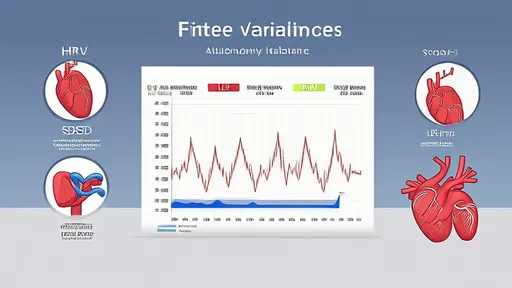
The field of sports science has witnessed significant advancements in recent years, particularly in the area of heart rate variability (HRV) analysis. Athletes and fitness enthusiasts are increasingly turning to HRV as a tool to optimize training, prevent overtraining, and enhance recovery. This guide delves into the intricacies of HRV analysis in the context of sports, offering insights into its applications, benefits, and practical considerations.
Health

Metabolic Flexibility Enhancement through Dietary Training

By /Jul 14, 2025

In the ever-evolving landscape of health and wellness, the concept of metabolic flexibility has emerged as a cornerstone for achieving optimal physical performance and overall well-being. Unlike rigid dietary approaches that focus solely on calorie restriction or macronutrient manipulation, enhancing metabolic flexibility revolves around training the body to efficiently switch between fuel sources—primarily fats and carbohydrates—depending on availability and demand. This adaptability not only supports sustained energy levels but also improves resilience against metabolic disorders such as insulin resistance and obesity.
Health

Home Self-Testing Methods for Assessing Vascular Elasticity

By /Jul 14, 2025

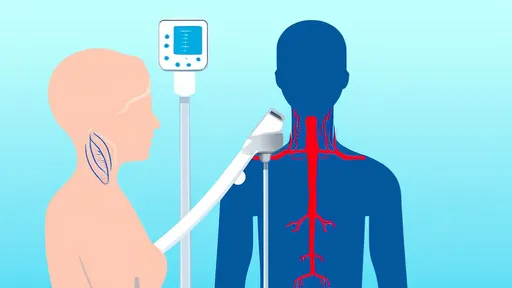
In recent years, the importance of monitoring vascular health has gained significant attention, particularly as cardiovascular diseases continue to be a leading cause of morbidity worldwide. While clinical assessments remain the gold standard, there is growing interest in developing reliable methods for at-home vascular elasticity testing. These methods empower individuals to track their vascular health proactively, potentially identifying early signs of stiffness or deterioration before serious complications arise.
Health

Gut Intervention Targets for Non-Alcoholic Fatty Liver Disease

By /Jul 14, 2025

The growing prevalence of non-alcoholic fatty liver disease (NAFLD) has spurred intense research into novel therapeutic approaches, particularly those targeting the gut-liver axis. As the scientific community delves deeper into the intricate relationship between gut microbiota, intestinal permeability, and hepatic metabolism, a new frontier of intervention strategies is emerging. These approaches aim to modulate the gut environment to indirectly improve liver health, offering hope for millions affected by this silent epidemic.
Health

Scientific Validation of Recovery Efficacy from Cold Water Exposure

By /Jul 14, 2025

The practice of cold water immersion has gained significant attention in recent years as a recovery modality among athletes, fitness enthusiasts, and even those seeking general wellness benefits. Emerging research suggests that controlled exposure to cold water may enhance physical recovery, reduce inflammation, and improve overall physiological resilience. However, the scientific community continues to debate the mechanisms, optimal protocols, and potential drawbacks of this practice. Understanding the nuances of cold water immersion requires a deep dive into both its biological effects and practical applications.
Health

Adaptation Plan for Exercise in High-Altitude Environments

By /Jul 14, 2025

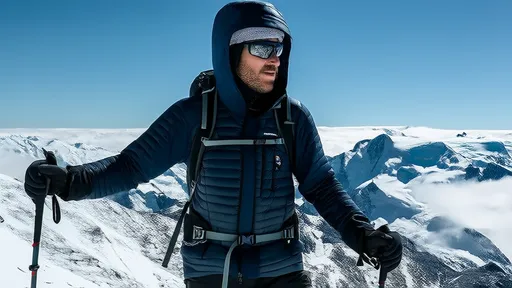
High-altitude environments present unique challenges for athletes and fitness enthusiasts alike. The reduced oxygen levels, lower air pressure, and extreme weather conditions demand specialized training approaches to ensure optimal performance and safety. Whether you're a mountaineer preparing for an expedition or a runner training for a high-altitude marathon, understanding how to adapt your workout routine is crucial.
Health

Subtle Dehydration's Stealthy Impact on Cognitive Function

By /Jul 14, 2025

The human brain is a remarkably sensitive organ, finely tuned to operate within narrow physiological parameters. Among the many factors influencing cognitive performance, hydration status occupies a particularly subtle yet profound role. While severe dehydration manifests obvious symptoms, the creeping effects of mild dehydration – often going unnoticed in daily life – may be silently eroding our mental sharpness. This phenomenon represents an underappreciated public health concern in our fast-paced, caffeine-fueled modern lifestyles where adequate water intake frequently falls by the wayside.
Health

Precision Monitoring Indicators for Supercompensation After Exercise

By /Jul 14, 2025

In the realm of sports science and athletic performance, the concept of post-exercise supercompensation—often referred to as "overload recovery"—has become a cornerstone for optimizing training regimens. Athletes and coaches alike are increasingly turning to precise monitoring indicators to gauge recovery and adapt workouts accordingly. The ability to measure these physiological responses with accuracy not only enhances performance but also mitigates the risk of overtraining and injury.
Health

Key Elements for Controlling Morning Blood Pressure Fluctuations

By /Jul 14, 2025

Morning blood pressure surges have long been recognized as a critical factor in cardiovascular health. Unlike the relatively stable readings taken in clinical settings, the early hours after waking often reveal dramatic fluctuations that carry significant prognostic value. These transient spikes, sometimes called "morning surge," correlate strongly with adverse events like stroke and myocardial infarction. Understanding the mechanisms behind this phenomenon and learning to mitigate its effects could mean the difference between controlled hypertension and catastrophic organ damage.
Health

Timing Selection for Dynamic and Static Stretching

By /Jul 14, 2025

The debate between dynamic and static stretching has been a hot topic in fitness circles for years. While both methods have their merits, understanding when to use each can significantly impact performance, recovery, and injury prevention. The timing of these stretches isn't just a matter of preference—it's a science-backed decision that can make or break your workout routine.
Health

Individualized Algorithm for Adolescent Exercise Load

By /Jul 14, 2025

The concept of individualized exercise load for adolescents has gained significant traction in sports science and youth development circles. Unlike the one-size-fits-all approach that dominated training methodologies for decades, contemporary research emphasizes tailoring physical activity to each young athlete's unique physiological and psychological profile. This paradigm shift recognizes that teenagers exhibit vast differences in growth patterns, metabolic rates, and recovery capacities—factors that profoundly impact their response to training stimuli.